DFIR

NEWS ROUNDUP – 16th March 2026
 admin
16/03/2026
admin
16/03/2026
Poland’s nuclear research centre blocked a cyberattack while Albania’s parliament isolated email systems during a separate incident. The FBI is tracing victims linked to malware distributed through Steam games, and U.S. prosecutors allege a responder assisted BlackCat ransomware actors. Telus and Stryker reported cyber disruptions, while authorities dismantled the SocksEscort proxy service and INTERPOL seized 45,000 malicious IPs.
NEWS ROUNDUP – 13th March 2026
admin
13/03/2026
Microsoft’s March patch cycle fixed 93 flaws, while CISA warned on Siemens SIDIS Prime in critical infrastructure. Stryker reported manufacturing and shipping disruption after a cyberattack, Albania’s parliament suspended internal email, INTERPOL said 45,000 malicious IPs were taken down, and the U.S. sanctioned facilitators of North Korean IT-worker fraud targeting businesses and remote hiring channels across multiple regions this week.
NEWS ROUNDUP – 11th March 2026
admin
11/03/2026
Microsoft fixed two disclosed zero-days in March Patch Tuesday, SAP shipped critical NetWeaver and FS-QUO fixes, and Dutch agencies warned that Russia-backed operators are hijacking Signal and WhatsApp accounts. Reuters also reported a customer-data breach at Loblaw, while ENISA published package-manager security guidance and the European Commission updated AI Act standardisation FAQs for high-risk systems across Europe and North America.
NEWS ROUNDUP – 9th March 2026
admin
09/03/2026
Australia warned on Cisco SD-WAN exploitation, U.S. investigators examined a suspected China-linked FBI network breach, LexisNexis and TriZetto disclosed major data exposures, and authorities disrupted LeakBase and Tycoon 2FA. The roundup also tracks Google’s 90 zero-day tally for 2025, White House cyber strategy priorities, and European Commission guidance for applying the Cyber Resilience Act across health, government, telecom, and sectors.
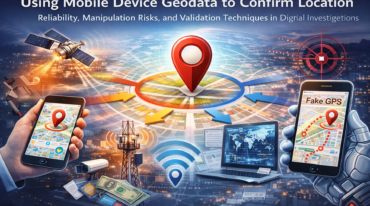
Using Mobile Device Geodata to Confirm Location
admin
08/03/2026
Mobile device geolocation has become a critical evidential source in digital investigations. This briefing examines how smartphones determine location using GNSS, cellular networks, Wi-Fi, and device sensors. It explores the reliability of these technologies, the risks of spoofing and manipulation, and how investigators can validate location data through multi-source correlation and forensic analysis to strengthen evidential confidence.