Digital Forensics

NEWS ROUNDUP – 3rd July 2026
 admin
03/07/2026
This edition examines HSIN and Kubota breach findings, Scattered Spider extradition, FortiBleed ransomware links, SharePoint and Cisco exploitation, malicious browser extensions, illegal streaming-domain seizures, and policy movement around UK managed service providers, NIST ransomware guidance and EU crisis response. The common thread is evidence quality, exposed infrastructure and resilience under pressure for investigators, responders and defenders today globally online worldwide.
Telco Resilience
admin
13/05/2026
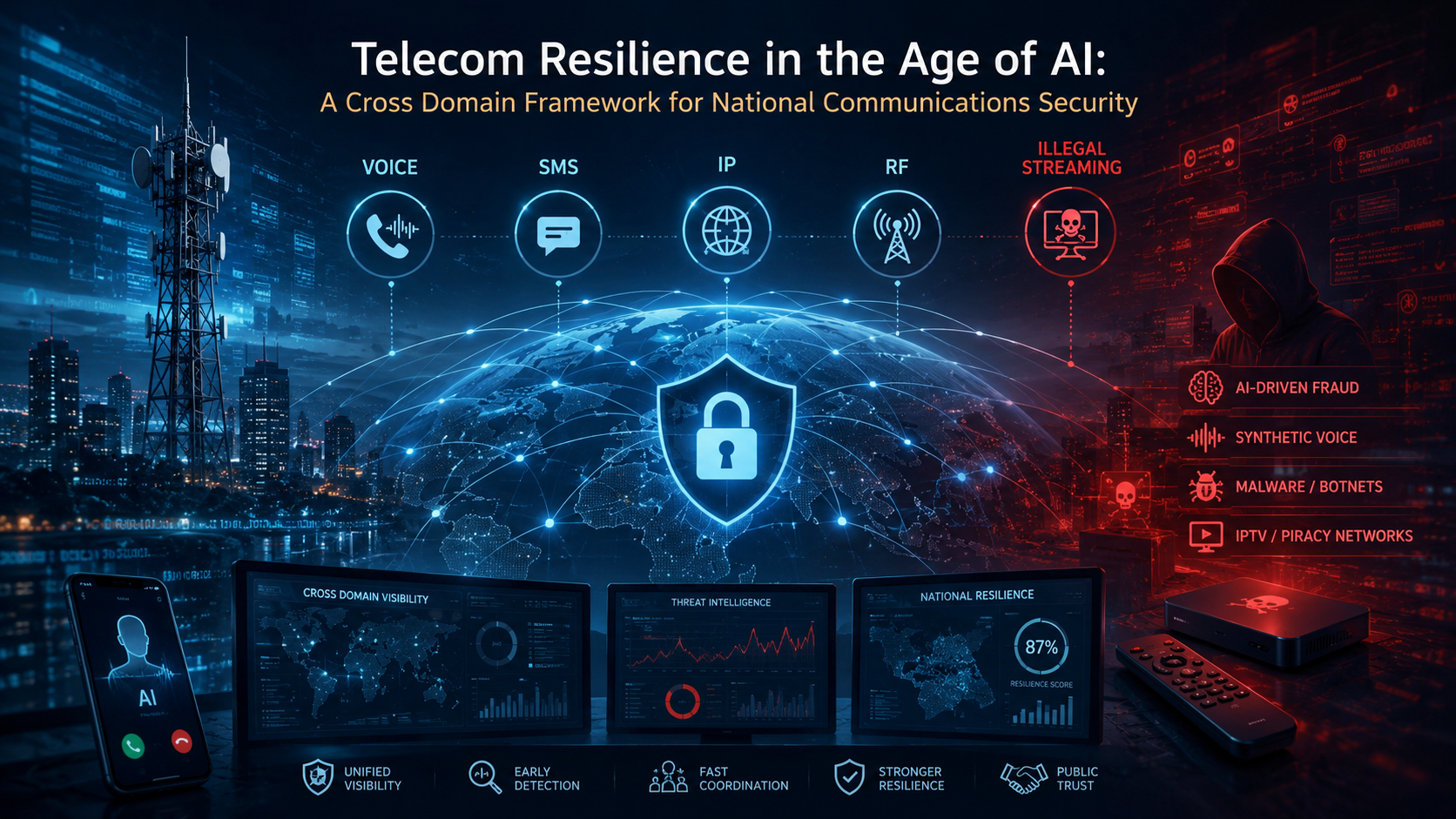
Telecommunications networks are facing a new generation of AI-driven threats spanning Voice, SMS, IP, RF, and illegal streaming infrastructure. This briefing examines the convergence of telecom fraud, compromised IPTV ecosystems, AI-enabled attack automation, and cross-domain resilience failures, highlighting the operational, regulatory, and national security implications for carriers, regulators, DFIR professionals, and critical infrastructure stakeholders operating within increasingly interconnected communications environments.

Enterprise Connected Devices
 Roy Isbell
17/04/2026
Enterprise connected devices now underpin physical security, operational technology and digital infrastructure across UK organisations. This briefing examines how government policy from DSIT aligns with technical guidance from NCSC, NPSA and NACE, highlighting overlaps, tensions and practical implications for DFIR teams responsible for investigation, resilience and evidence preservation across increasingly converged cyber-physical environments within modern enterprise security and incident response.

DFM Briefing on the UK Forensic Science Regulator Guidance [GUI-0004]
admin
31/01/2026
FSR-GUI-0004 sets clear expectations for how forensic evidence should be interpreted and communicated within the Criminal Justice System. This briefing explains the guidance’s scope, regulatory intent, and practical requirements, including evaluative reasoning, likelihood ratios, bias control, and competence. It assesses implications for digital forensics and incident response, highlighting operational challenges, risks, and areas where implementation discipline will determine credibility outcomes.

UK Forensic Science Regulator – Statutory Code of Practice V2 – Digital Forensics Practitioners Briefing
 admin
14/12/2025
This briefing examines Version 2 of the Forensic Science Regulator’s Statutory Code of Practice through the lens of the digital forensics practitioner. It explains why the Code exists, outlines key changes from Version 1, and critically analyses the requirements that directly affect digital investigations, evidential integrity, quality management, and courtroom admissibility.